 English
 العربية
 中文語言
中文語言
 हिंदी भाषा
 हespañol
 русский
 Português
 Le français
 Deutsch
 ภาษาไทย
 Português

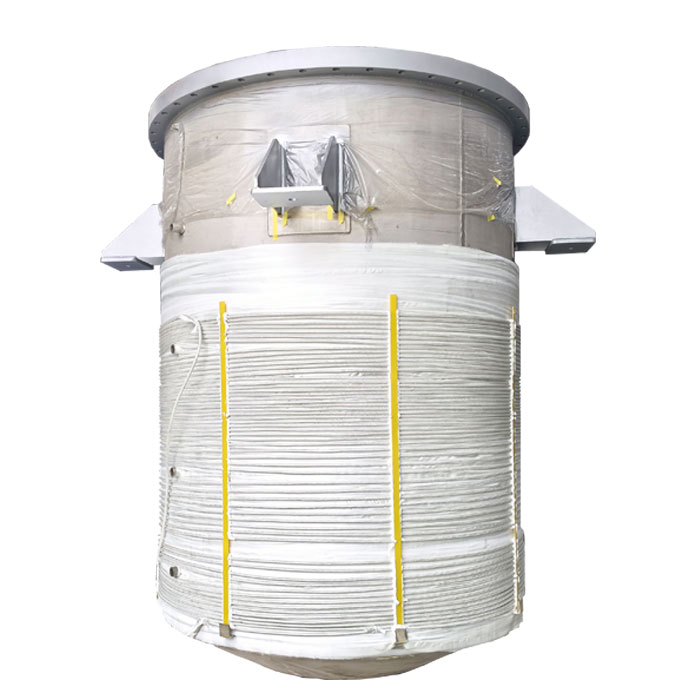
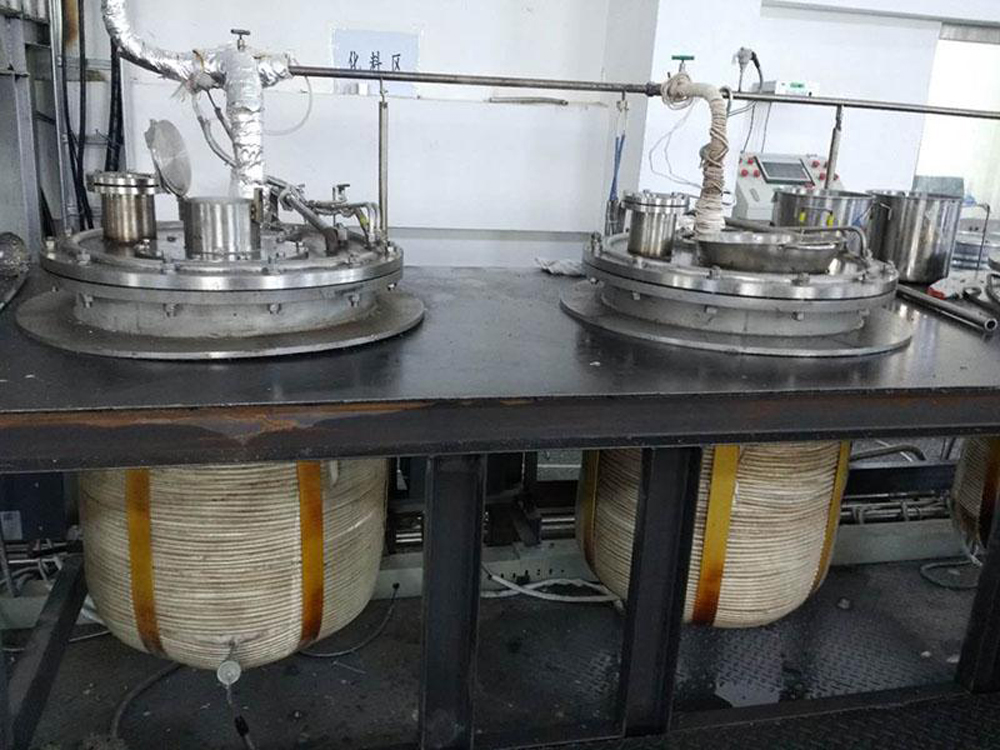
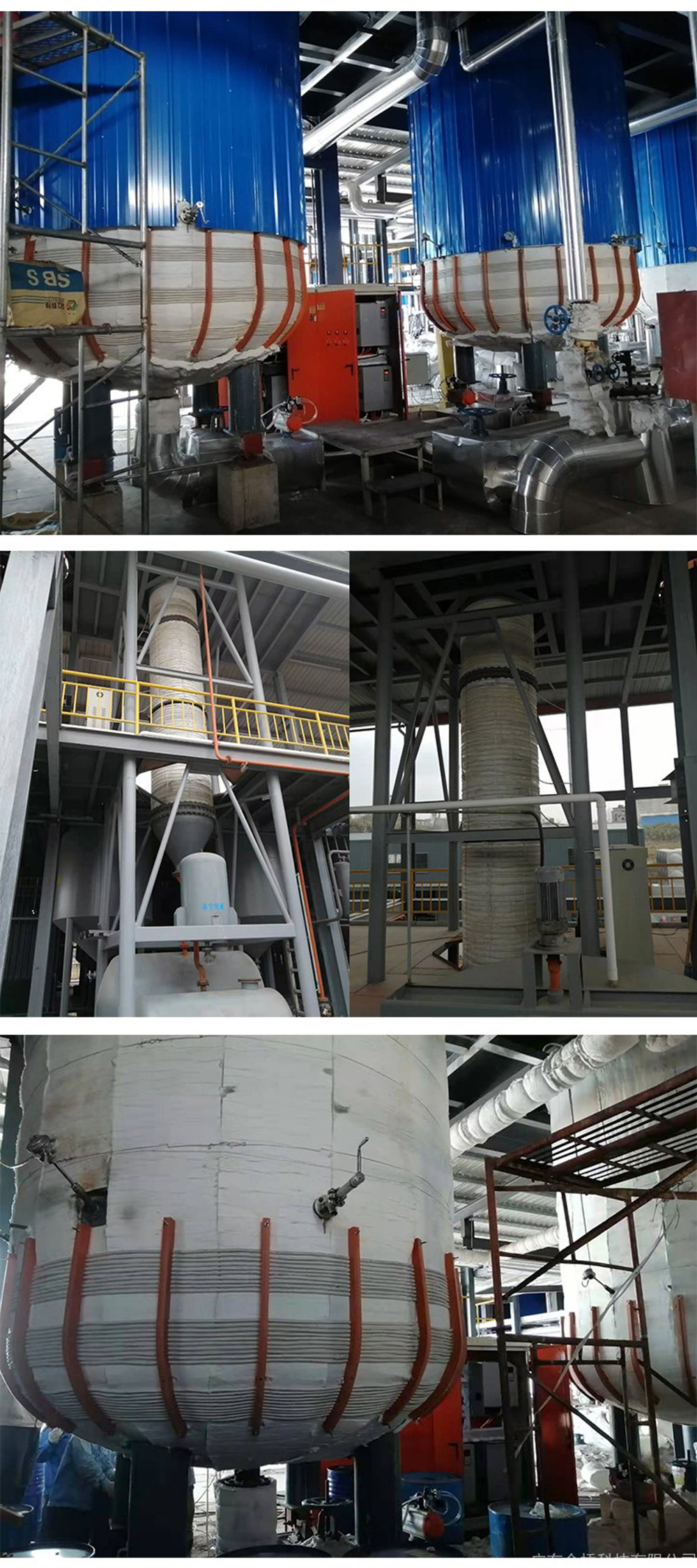
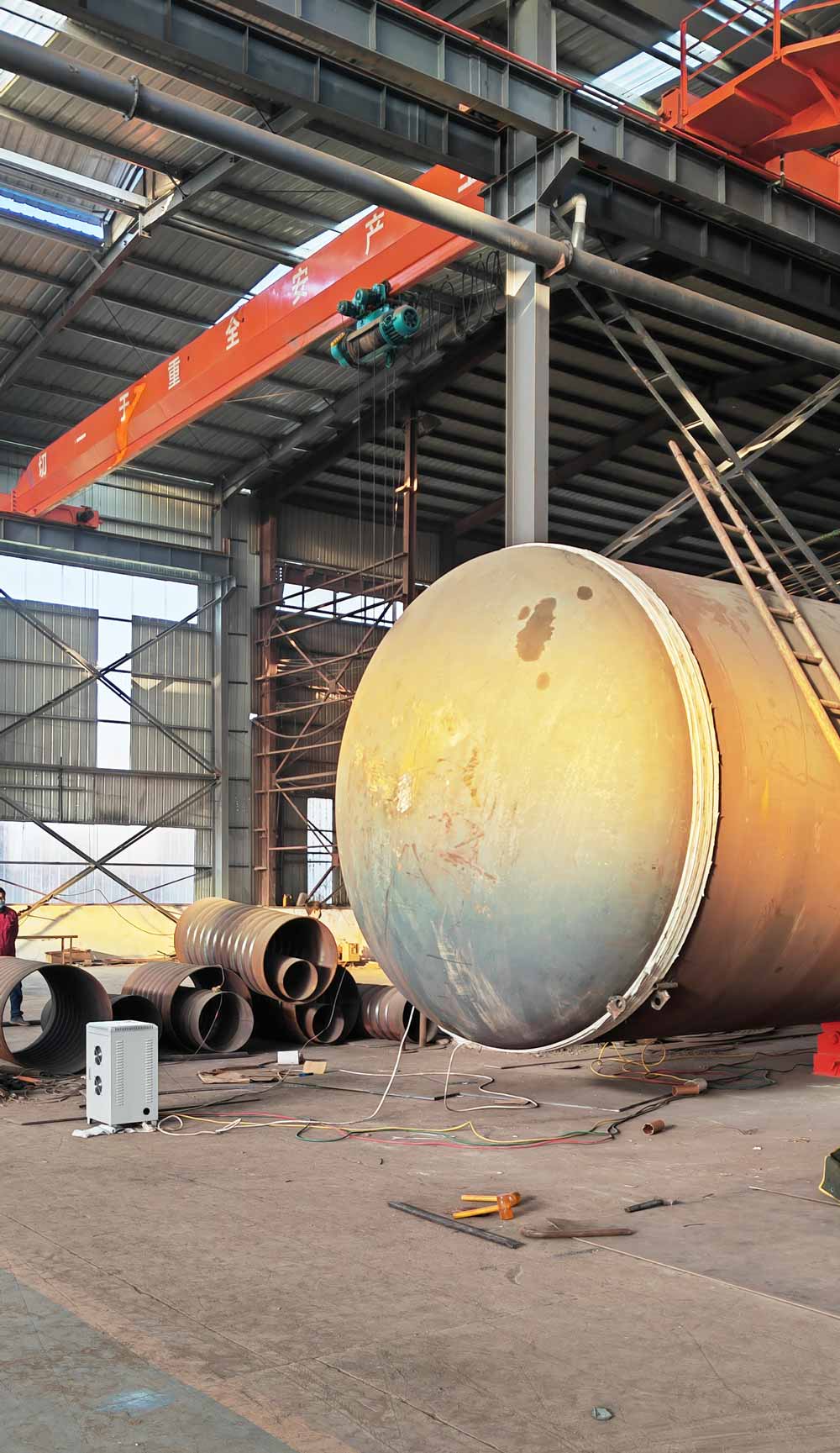
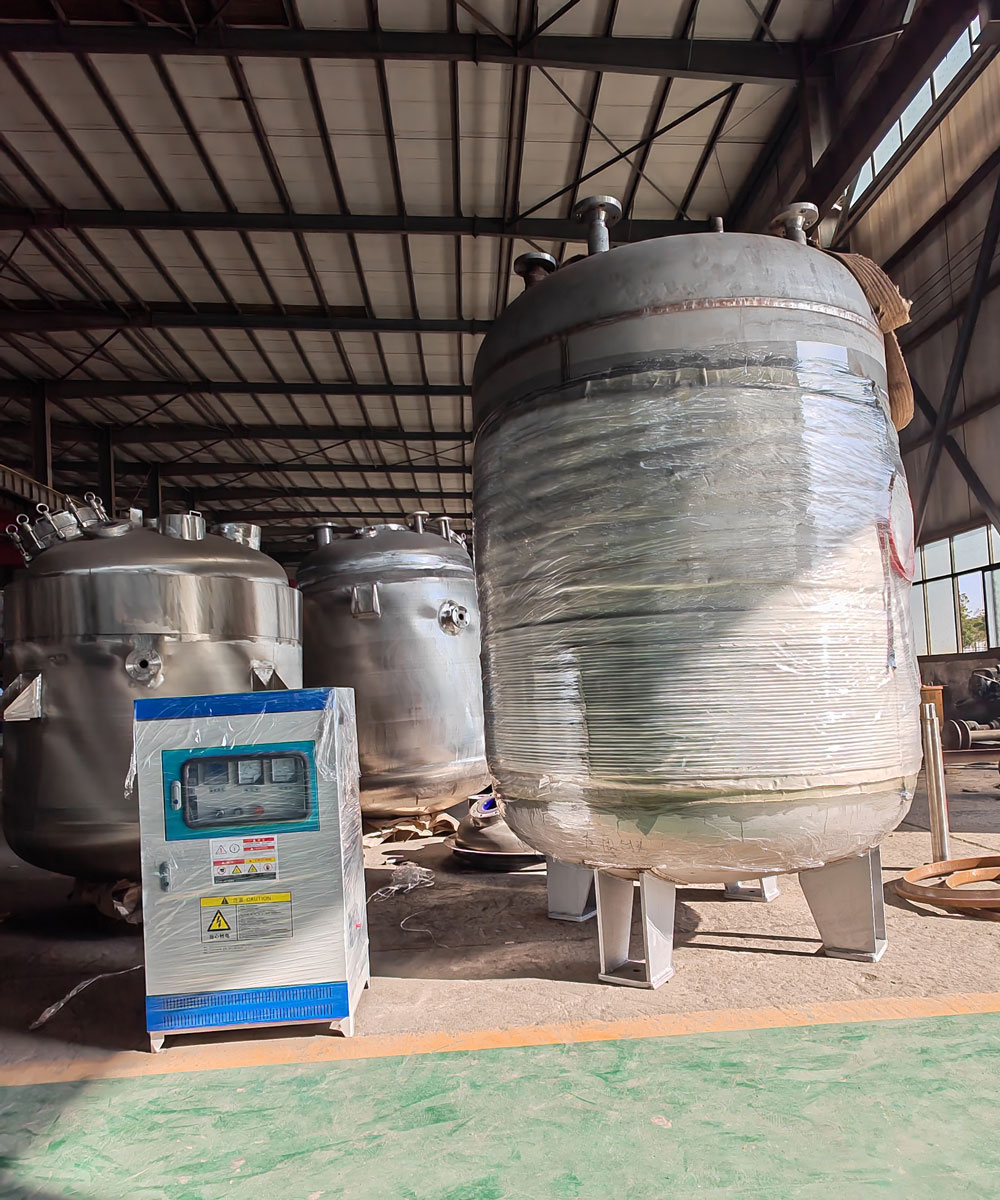
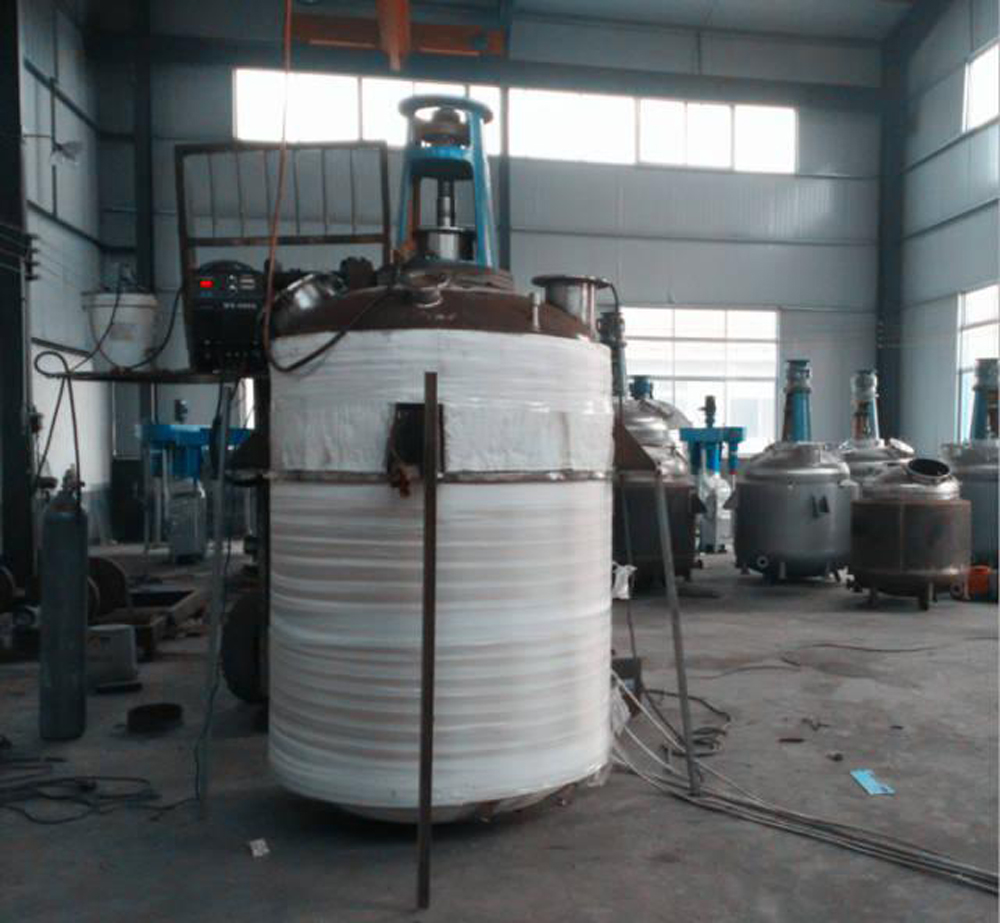
Electromagnetic induction heating reactor
1. Product Overview
The electromagnetic induction heating reactor is a high-efficiency and energy-saving industrial heating equipment designed based on the principle of electromagnetic induction. It is specially developed for high-temperature reaction, mixing, dissolution, synthesis and material treatment processes in chemical, pharmaceutical, food, new material and other industries. Compared with traditional steam heating and thermal oil heating methods, this equipment generates heat by electromagnetic eddy current directly acting on the metal reactor body, fundamentally solving the problems of low efficiency, high energy consumption and numerous potential safety hazards of traditional heating technologies. It is an ideal choice for upgrading modern chemical production.

2. Core Product Advantages
High efficiency and energy saving, greatly reduced operating costs.
- ● Electromagnetic induction heating efficiency exceeds 95%: electric energy is directly converted into heat energy, the reactor body generates heat itself, and heat loss is less than 5%; ● Comparison with traditional heating methods: Steam heating: Extra boiler equipment is required, heat energy is transmitted twice (water → steam → reactor body), the overall thermal efficiency is only 40%-60%, and the heat loss of steam pipelines is huge; Thermal oil heating: Relys on circulating pumps and oil circuit systems with thermal efficiency of about 60%-70%. Long-term operation will cause efficiency decline due to oil deterioration. Energy-saving data: Actual test shows it saves 30%-50% energy compared with steam heating and 20%-40% compared with thermal oil heating. The annual operating cost can be reduced by hundreds of thousands of RMB (taking medium-sized reactors as examples).
-
Precise temperature control to improve product quality ● Intelligent PID temperature control system: Temperature accuracy reaches ±1℃, multi-stage programmed heating is supported, meeting temperature-sensitive process demands of fine chemicals, pharmaceutical intermediates and other fields; ● Pain points of traditional heating modes: Steam heating: Difficult coupling control of pressure and temperature with severe hysteresis, temperature fluctuation exceeds ±5℃; Thermal oil heating: Local temperature difference exists in oil circulation, slow temperature control response, unable to realize rapid heating and cooling.
-
Safe and eco-friendly, eliminating traditional risks Zero leakage risk: No boiler, thermal oil pipeline or pressure vessel required, avoiding hidden dangers such as steam explosion and fire caused by thermal oil leakage; Zero pollutant emission: No boiler waste gas, waste residue or volatile pollution of thermal oil, complying with ISO 14001 environmental management standards; Low-temperature working environment: Outer wall temperature of reactor is lower than 50℃, avoiding high workshop temperature brought by traditional heating and improving working conditions for operators.
-
Simplified structure with extremely low maintenance cost ● Modular design: Non-contact installation between electromagnetic coils and reactor body, no mechanical wear, service life over 10 years; ● Maintenance drawbacks of traditional systems: Steam system: Regular cleaning of boiler scale and inspection of pressure pipelines are required with high maintenance expenses; Thermal oil system: Thermal oil needs frequent replacement (every 1-2 years), carbon deposits in oil circuits need cleaning, and production will be interrupted during maintenance shutdown.
-
Fast heating speed to boost production efficiency Instant temperature rise: Electromagnetic heating directly acts on the reactor body, with heating rate of 5-10℃ per minute (varies according to reactor material and power).
